
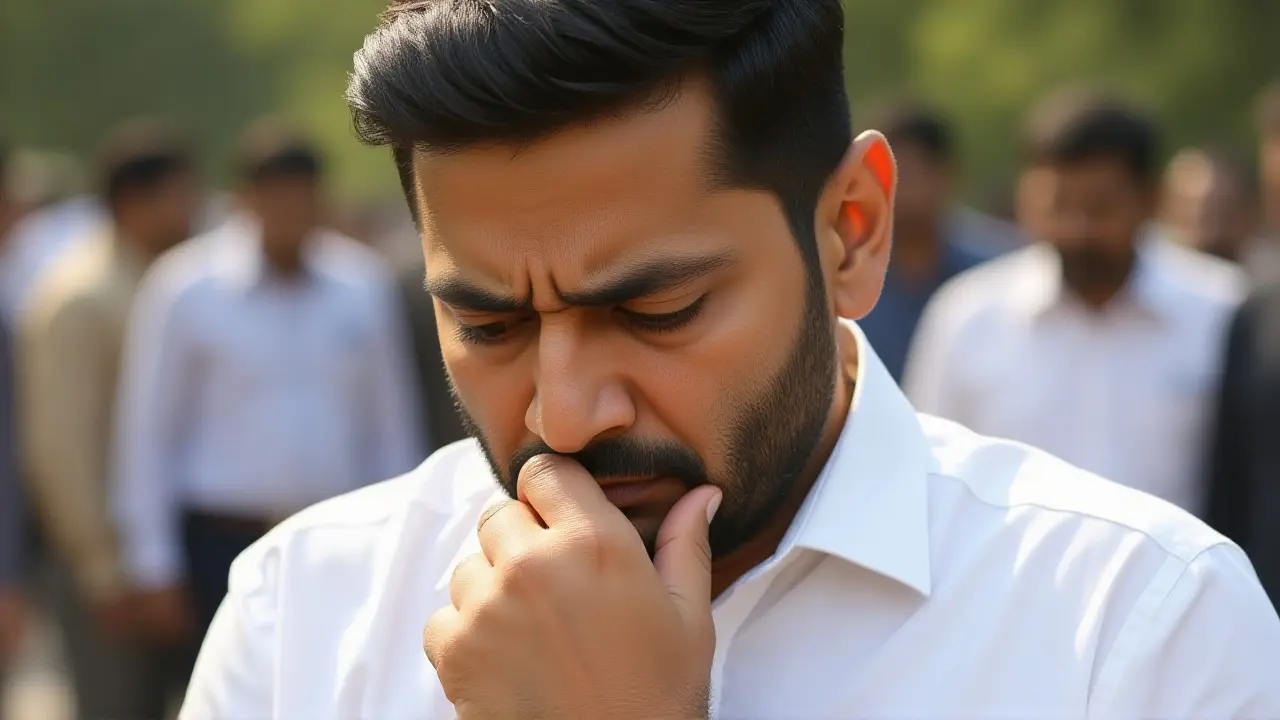
When Suvendu Adhikari, the newly sworn-in Chief Minister of West Bengal, made his first major administrative move on Monday, May 12, 2026, it sent shockwaves through the political corridors of Kolkata. The directive? To strip Abhishek Banerjee, General Secretary of the Trinamool Congress (TMC), of his Z-Plus security cover and revoke his pilot car facility. This wasn't just a bureaucratic adjustment; it was a clear signal that the era of long-standing political privileges in the state had come to an abrupt end.
The order came just two days after Adhikari took oath as the state's first-ever BJP Chief Minister at Brigade Parade Ground in Kolkata. Governor R.N. Ravi administered the oath on Saturday, May 10, marking a historic shift in power. But while the celebrations were still fresh, the new government moved swiftly to redefine security protocols, arguing that enhanced protection should be based on genuine threat assessments, not political stature.
The End of an Era: Security Downgrade Explained
For over a decade, Abhishek Banerjee enjoyed Z-Plus security—a classification reserved for individuals facing the highest level of threat. This included a dedicated team of Central Reserve Police Force (CRPF) personnel, Special Protection Group (SPG) support, and crucially, a pilot car. The pilot car is more than just a vehicle; it’s a symbol of status, often seen leading high-profile convoys through city streets.
According to administrative sources close to the decision, the withdrawal will be phased out gradually. However, the immediate effect means Banerjee will now receive only standard security provided to Members of Parliament under central Home Ministry guidelines. "Security is not a privilege to display prestige," Adhikari stated during a review meeting at Nabanna, the state secretariat. "It must be justified by credible threats. We cannot spend taxpayer money on unnecessary displays of power."
This move aligns with the BJP’s broader narrative of fiscal responsibility and merit-based governance. It also serves as a stark contrast to the previous administration’s approach, where security covers were often maintained regardless of changing threat landscapes.
Banerjee’s Counter-Narrative: Electoral Irregularities
While the security downgrade dominated headlines, Abhishek Banerjee chose to focus on a different battlefield—election integrity. Immediately following Adhikari’s swearing-in ceremony, Banerjee issued a scathing indictment of the electoral process. He alleged that approximately 30 lakh (3 million) legitimate voters were excluded from voter rolls through the Special Intensive Revision (SIR) process.
"The democratic institutions have been compromised," Banerjee claimed, pointing to discrepancies in Electronic Voting Machine (EVM) Control Units and irregularities in vote counting procedures. He accused the central government, led by Prime Minister Narendra Modi, and the Election Commission of India of undermining fair play. "We are seeing mismatches in EVM control units that suggest potential manipulation," he said, urging supporters to remain united.
Banerjee also appealed directly to TMC workers who faced post-election violence or intimidation, promising legal recourse and protection. "Contact me if you face any threat," he urged, emphasizing his commitment to safeguarding party members despite the loss of political office.
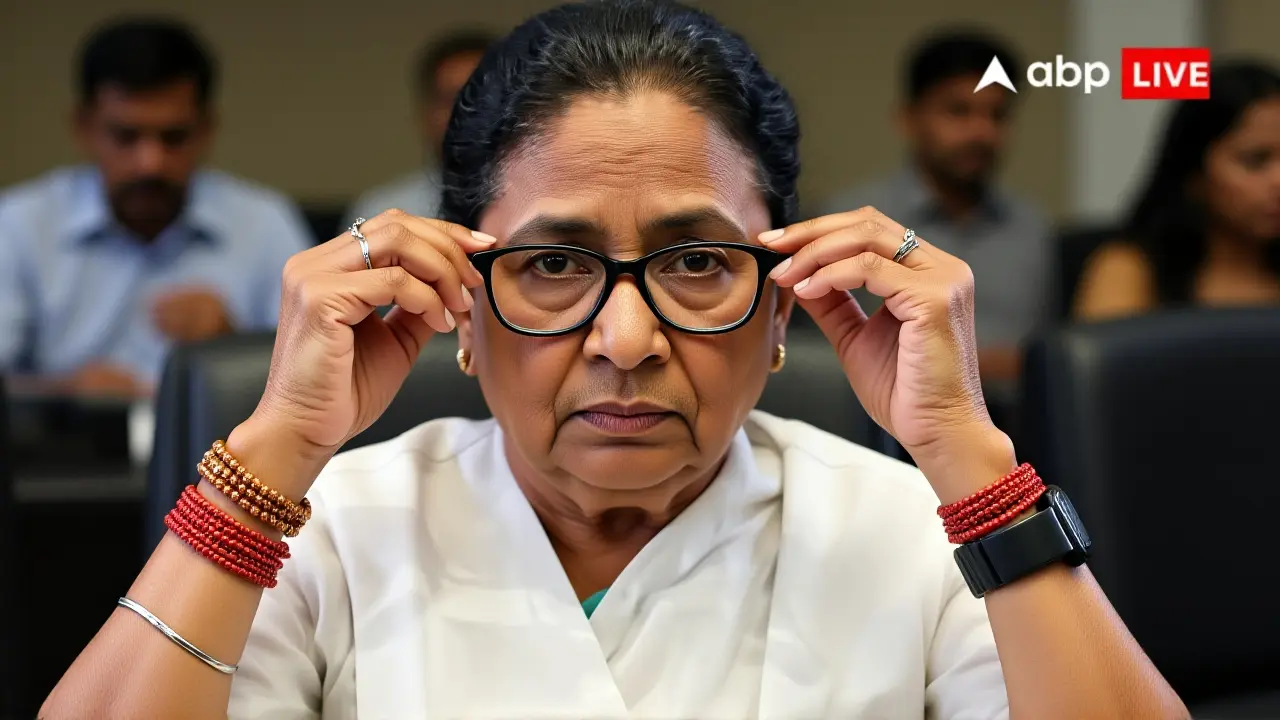
Political Implications and Future Outlook
The withdrawal of Z-Plus security marks a significant turning point in West Bengal’s political landscape. For years, such security covers were seen as badges of honor, reflecting influence and reach. Now, they are being treated as functional necessities, subject to strict scrutiny.
Analysts suggest this move could set a precedent for other opposition leaders across India. If security is tied strictly to threat levels rather than political position, it could lead to widespread changes in how protection is allocated nationwide. However, critics argue that the timing—just days after taking office—appears politically motivated, aimed at diminishing the visibility of former ruling party leaders.
As for Abhishek Banerjee, his response has been one of defiance. By focusing on electoral irregularities, he aims to keep the momentum alive within the TMC ranks and challenge the legitimacy of the new government. Whether these allegations gain traction remains to be seen, but they underscore the deep divisions that continue to shape West Bengal’s politics.
Frequently Asked Questions
Why was Abhishek Banerjee's Z-Plus security withdrawn?
Chief Minister Suvendu Adhikari cited the need to base security allocations on genuine threat assessments rather than political status. He emphasized that government funds should not be used for displaying prestige without verified risks, aligning with central Home Ministry guidelines for MP security.
What does 'pilot car facility' mean in this context?
A pilot car is a dedicated vehicle that leads high-security convoys, ensuring safe passage for VIPs. Its revocation signifies a reduction in visible security presence and operational support previously available to Abhishek Banerjee under Z-Plus classification.
Did Abhishek Banerjee respond to the security withdrawal?
Instead of addressing the security issue directly, Banerjee focused on alleging electoral irregularities, claiming 3 million voters were excluded via SIR processes and raising concerns about EVM manipulation. He urged TMC workers to report any post-election threats to him.
Is this the first time a BJP-led state government has reduced opposition leader security?
While similar actions have occurred elsewhere, this case is notable due to its immediacy—occurring just two days after Suvendu Adhikari assumed office—and its symbolic significance as the first BJP government in West Bengal history. It may set a precedent for future administrations.
How will Abhishek Banerjee's new security arrangement work?
He will now receive standard security provisions applicable to all Members of Parliament under central Home Ministry directives. Additional personnel and special facilities like the pilot car will be phased out gradually, reducing his overall protective infrastructure significantly.